
Climbing pain and injuries
Climbing physiotherapy in Blainville and on the North Shore
Climbing requires grip strength, mobility, trunk control and tolerance to sustained positions. Symptoms may appear with a specific hold, a dynamic move or a rapid increase in volume.
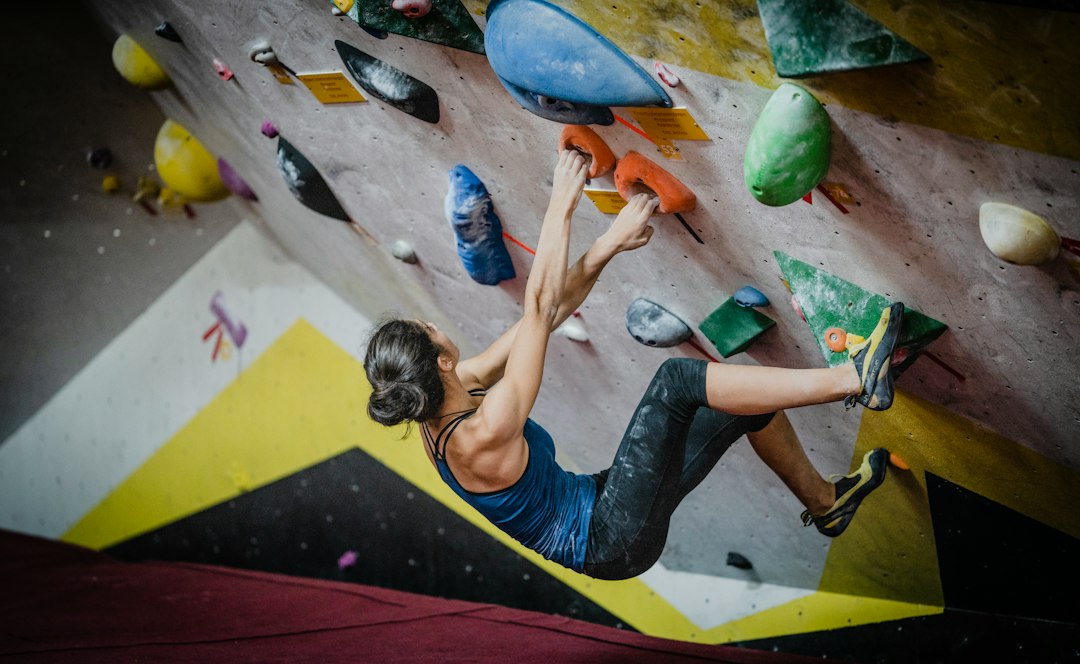
What we assess in climbing
Pain location, the movement that triggers it and how symptoms respond to load help guide the assessment.
Finger, hand or wrist pain
Crimps, grips and pulling can provoke arm, hand or wrist pain.
Elbow pain
Repeated pulling and isometric holds can irritate the elbow. Explore tennis elbow when relevant.
Shoulder pain while hanging or pulling
Overhead positions and hanging load the shoulder and rotator cuff.
Back, hip or knee pain
Large ranges, drop-knees and leg drive can reproduce back, hip or knee pain.
The movements that matter for your return
Rehabilitation should reflect the real demands of your sport, not only whether pain is present at rest.
Return to climbing, sport and performance
Progression may include grip strength, endurance, pulling, mobility, control and a gradual increase in climbing volume.
Return to your sport with a clear plan
A physiotherapy assessment can identify what is limiting you, rebuild capacity and progress toward the movements that matter for your sport.